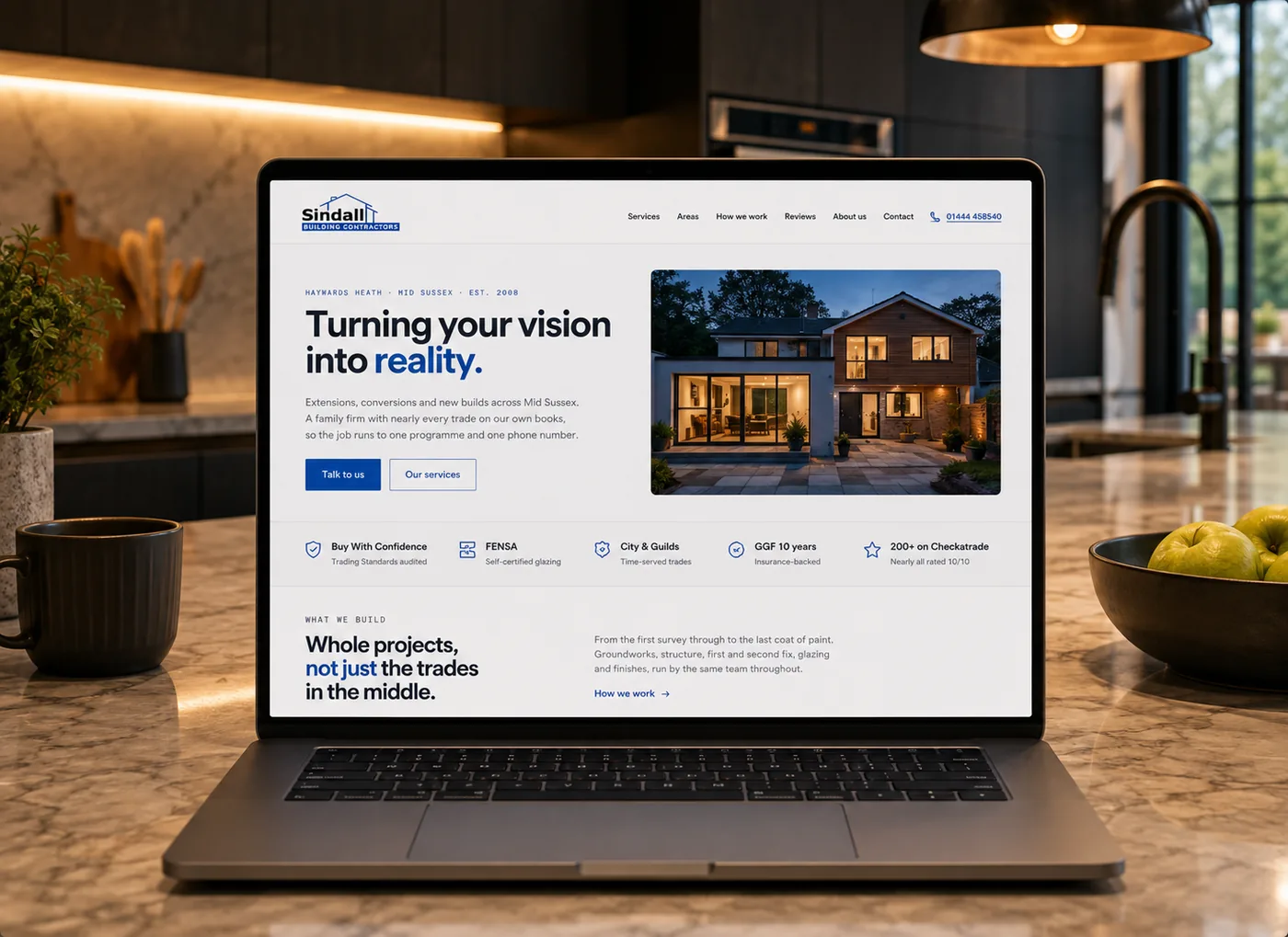
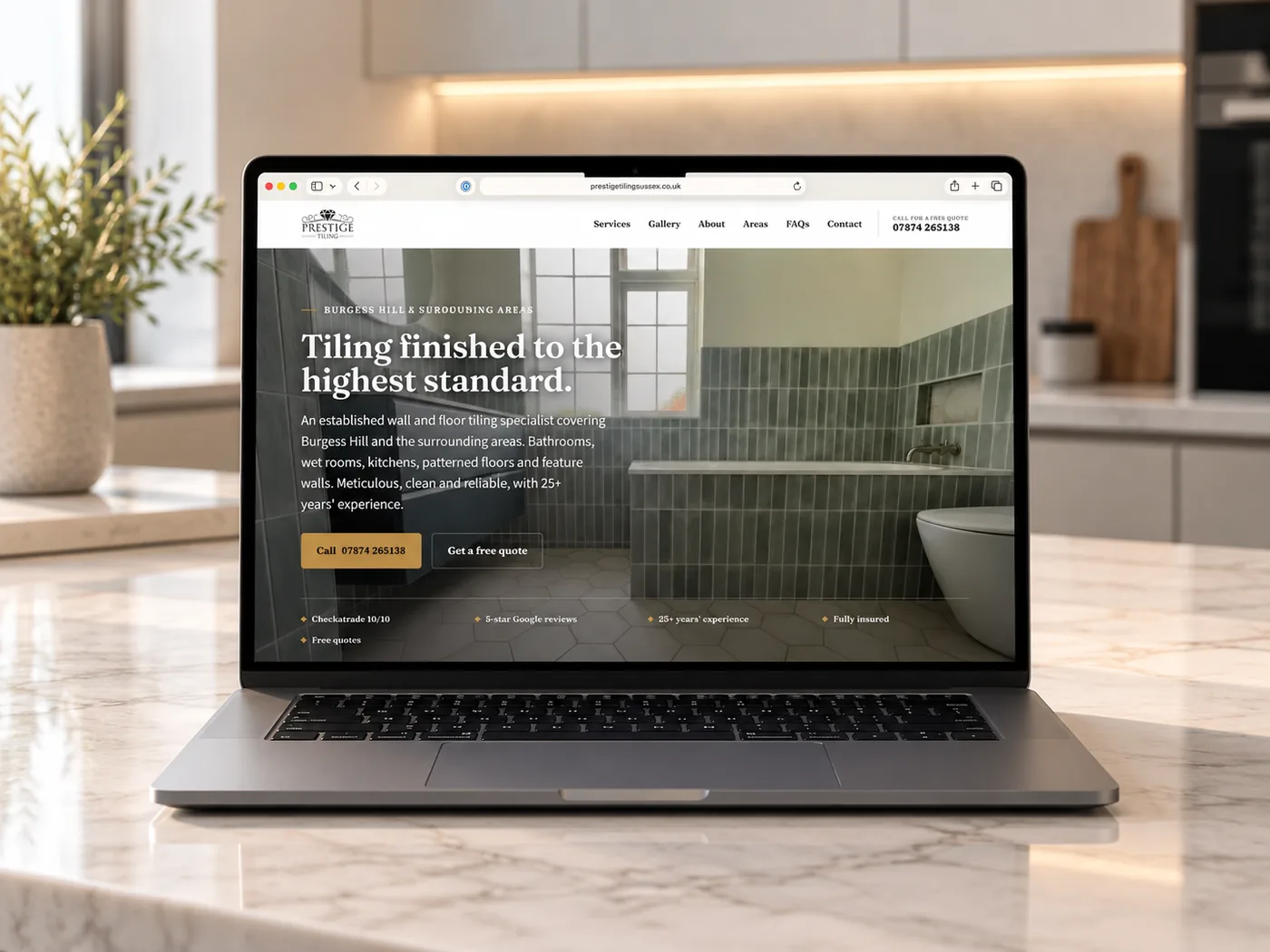
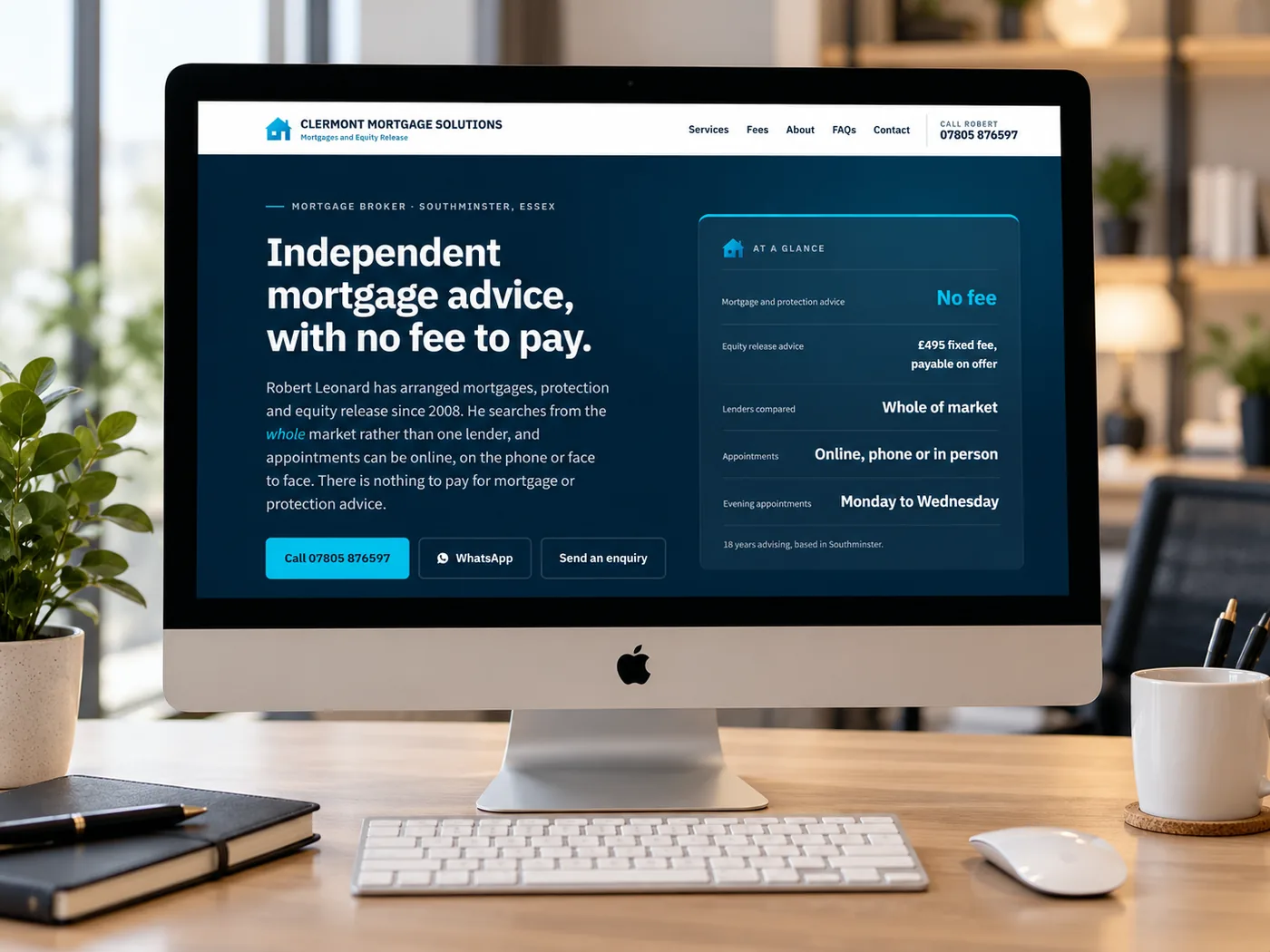
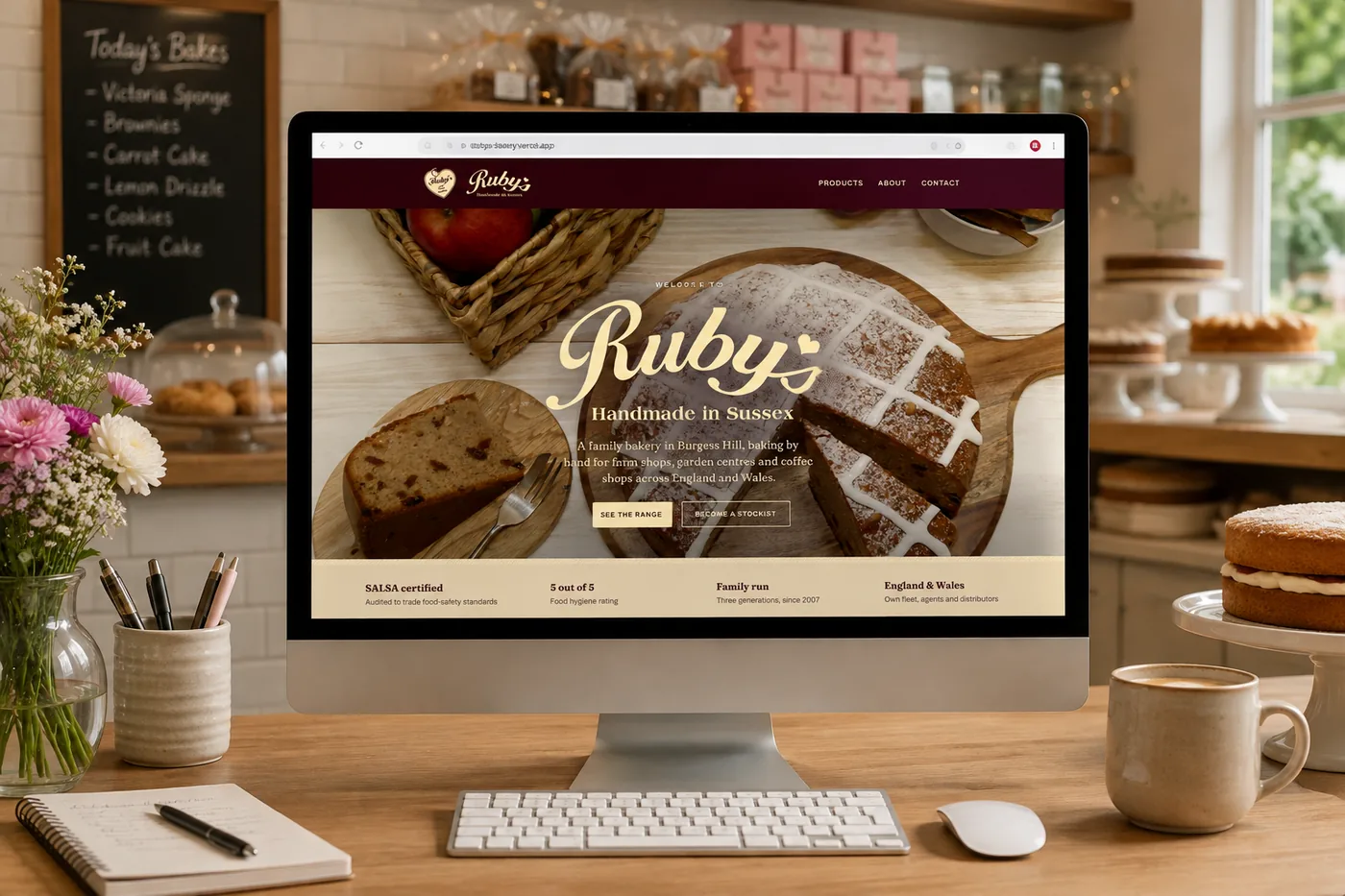
Your CQC rating displayed the way the regulation expects, the information families and patients look for, and a site you never have to edit yourself. From £99.
If you are registered with the Care Quality Commission and have been rated, your website is covered by the law as well as your premises. Regulation 20A of the Health and Social Care Act 2008 (Regulated Activities) Regulations 2014 says every website maintained by you or on your behalf must show your most recent rating, the date it was given, CQC’s web address and a link to where your report can be read, all legible and displayed conspicuously. Plenty of care websites miss this. The rating sits at the bottom of an “About” page, it is last year’s result, or it is a logo with no link. Page Forge builds CQC-compliant websites for care homes, home care agencies, GP practices and private clinics, with your rating displayed properly and every page written in plain English.
The rating is the legal minimum, not the whole job. A family choosing a care home, or someone arranging home care for a parent, is anxious and comparing options, so they need to see the rating straight away, then the care you actually provide, real photographs, how to complain and how to get in touch. Care homes for older people also have consumer law to think about: the Competition and Markets Authority’s advice says homes should give an indication of the weekly fees for self-funders, including on their website. Clinics face a different test, because health claims on your own site fall under the CAP Code enforced by the Advertising Standards Authority. We cover the sector detail on our pages for care homes and dental practices.
One honest point: no web designer can guarantee your website meets CQC requirements, and you should be wary of any who says they can. CQC does not approve or certify websites, and responsibility stays with the registered provider and registered manager. What we can show is that we know how to build for a regulator: we recently took Clermont Mortgage Solutions, an FCA-regulated mortgage broker, through its principal firm’s compliance approval. For you, that means the rating built in correctly, the supporting information in place, and a site that is fast on a phone. A one-page site is £99 to set up and £29 a month, with larger sites quoted individually.
What It Needs
The regulation lists what your website must carry: your most recent CQC rating, the date it was given, CQC’s web address and a link to the page where your report sits. If you have more than one rating, it must be clear which service or location each one relates to. We put all of it where visitors see it, legible and conspicuous, rather than tucked into a footer nobody reads.
CQC strongly recommends its ratings widget, a small piece of code from your profile on its website. It pulls your rating from CQC’s system, links to your report and updates automatically when your rating changes. CQC asks for it to sit above the fold so nobody has to scroll to find it, so that is where we place it, styled so it sits comfortably with the rest of your page.
CQC says a new rating must appear on your website and your premises posters no later than 21 calendar days after it publishes the report. That still applies if you have asked for a review of the rating, although you can add a note saying so. With the widget the change happens by itself. If you prefer your own graphic, tell us and we update it.
Groups running several homes or branches can hold a provider rating and a separate rating for each location, and CQC may expect you to show both. We build a page for each location with its own rating, photos, contact details and map, so a family looking at one home is never shown another home’s result, and your group page carries the overall provider rating clearly.
Regulation 16 expects an accessible system for receiving and handling complaints, and your website is often where people look first. We explain plainly how to raise a concern and who deals with it. Enquiry forms on care and clinic sites often collect health details, which UK GDPR treats as special category data, so the site gets a privacy notice written for what you actually collect.
The CAP Code applies to marketing on your own website. Objective claims must be backed by evidence, and prescription-only medicines or treatments may not be advertised to the public, a rule that catches out private clinics more often than you might expect. We write balanced copy that describes what you do without promising outcomes, and we will not publish claims you cannot support.
How It Works
No jargon, no committees, no six-week timelines. We get UK businesses online fast.
A quick call or email. What you do, where you work, your contact details. That’s all we need to get started.
We design and write everything a professional one-page website with your services, area, and contact info. Ready for review within days.
Domain registered, hosting sorted, site live. You focus on the work we keep everything running.
Don’t Just Take Our Word For It
Real businesses we’ve helped get online. Real feedback.
Our Work
A look at some recent client work. Click through to see them live.

Pricing
No hidden fees, no long contracts. The prices below are our starting point for a standard website.
+ £99 one-off setup fee
+ £99 one-off setup fee • Get 2 months free
Prices are a starting point for a standard website. Bigger projects, such as lots of products, custom features or ongoing work, are quoted to match, so you only ever pay for what you need.
FAQ
Drop us a message or give us a call. No pressure, no jargon, just a quick chat about what you need.